What happens on day one of training
Day one is about information, not performance. We want to see the real dog, including the behaviour you are embarrassed about, because that is what we are being asked to change.
For a 1-2-1, expect a full assessment, questions about routine, feeding, sleep and history, then hands on work and a plan you leave with. For a residential stay, expect a calm arrival, a quiet settling period, and no heavy training on the first day. Bring the dog's food, its lead and any vet or vaccination paperwork.
What we ask about
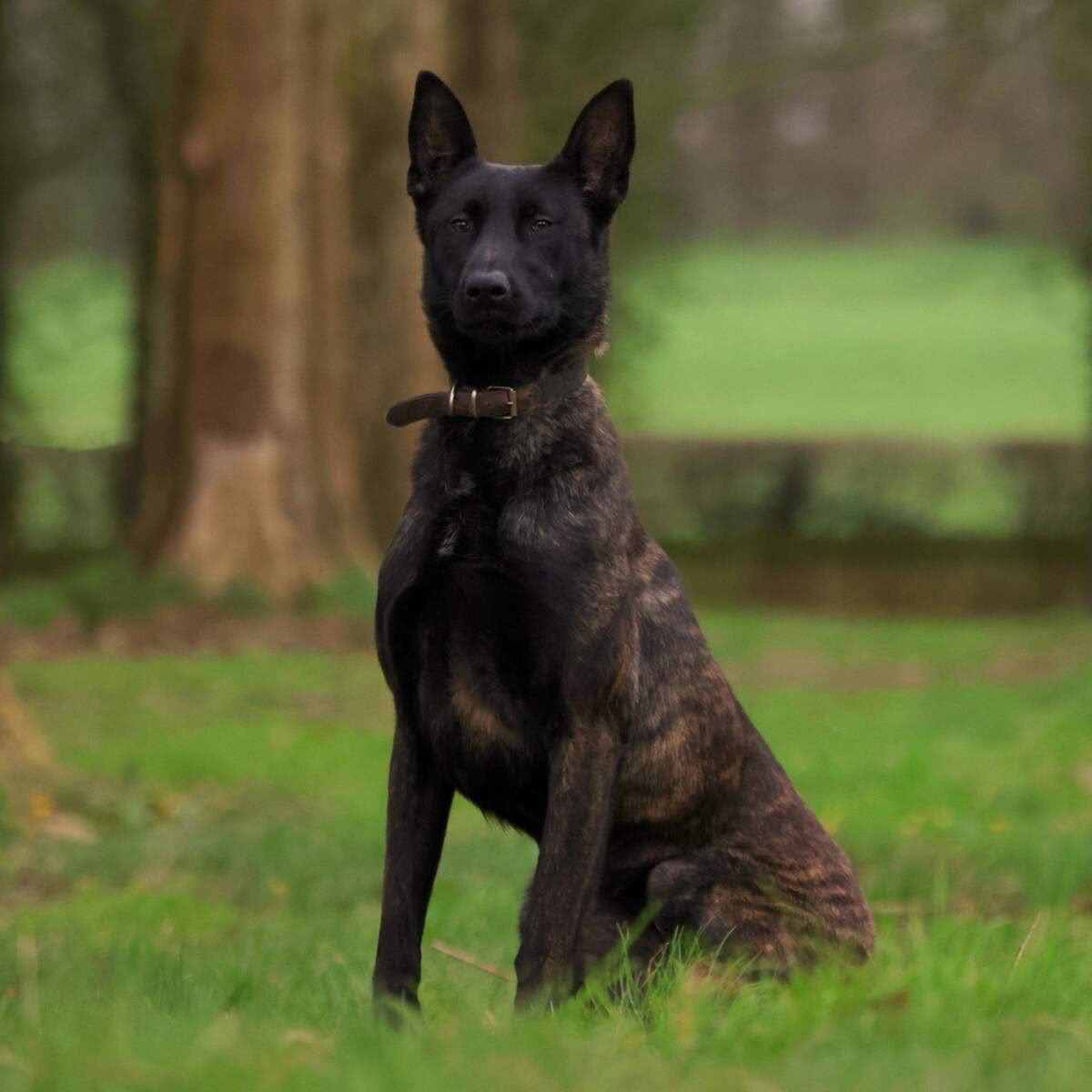
Sleep, feeding, exercise, who does what at home, what has already been tried, and exactly what happened in the incidents that worry you. The context usually explains more than watching the behaviour does.
What to bring
- ●The dog's current food
- ●Its normal lead and collar or harness
- ●Vaccination records for residential stays
- ●A bed or blanket that smells of home
- ●Any medication with clear instructions
How dogs usually behave
Some are angels on day one and show you nothing. Others fall apart. Both are useful. We are not judging the dog, we are working out what drives it.
Need hands on help?
Book your first session and bring the problem with you, not the polished version.
Three generations of the same family, over 8,000 dogs trained.
Common questions
Keep things normal. We want to see your everyday routine rather than a rehearsed version.
No. Nearly every problem we see has been created by ordinary people doing what seemed reasonable at the time.
Allow longer than a normal session, because the assessment takes time.
Related guides
Looking for training near you? See our dog training areas, our protection dog areas, or all services.