Lead reactivity or aggression: telling the difference, and why it matters
Two dogs can look identical on the pavement: barking, lunging, owner hauling them past. One desperately wants to reach the other dog. One desperately wants it gone. Same picture, opposite motivation, and the plans are different enough that getting the label wrong costs months.
Watch what the dog does when it gets what it is asking for. Frustrated reactivity usually softens when the dog reaches the other dog, with a loose wiggly body and play signals. Fear based reactivity stiffens, snaps or retreats. Frustration needs impulse control and better greetings. Fear needs distance, confidence and no greetings at all. If you cannot tell, treat it as fear, because that plan is safe for both dogs.
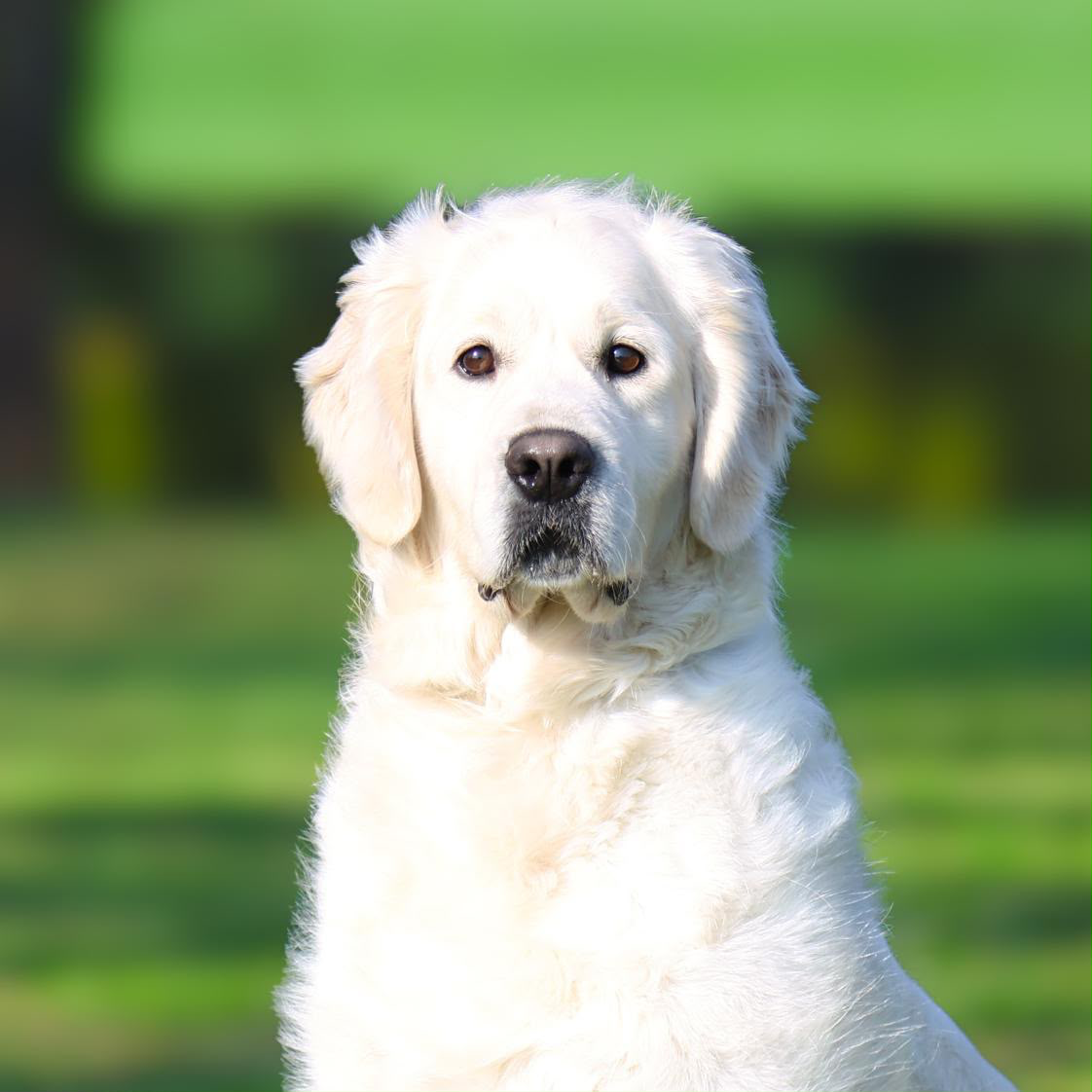
The frustrated greeter
This dog is usually young, often a sociable breed, and has spent its first year being allowed to charge up to every dog it saw. On lead it cannot get there, and the barrier converts excitement into noise. The give away is the body: loose, bouncing, tail sweeping, and a rapid switch to play when it finally reaches the other dog.
It is genuinely embarrassing to walk and it is the more optimistic diagnosis. These dogs improve quickly once the lead stops predicting an argument between what the dog wants and what it can have.
The frightened dog
This dog wants distance. It often notices other dogs from a long way off, freezes, then explodes at a set range. The body is stiffer, the bark is lower and harder, and the dog does not settle after the other dog passes, sometimes staying tense for the rest of the walk.
It may have been fine as a puppy and changed at adolescence, or it may have had one bad experience that taught it dogs are dangerous. Either way the plan is distance and confidence, and pushing it into greetings makes it worse.
Signals worth learning
These are the details we look at during an assessment:
- ●Recovery time. How long after the trigger passes does the dog eat, sniff and breathe normally again.
- ●Distance of first notice. Twenty metres is different from three metres.
- ●Mouth shape. A loose open mouth with a lolling tongue is very different from a tight closed commissure.
- ●Weight. Forward and bouncy versus forward and rigid, or shifted back over the hips.
- ●Whether the dog can take food at all when the trigger is visible.
Two different plans
For frustration, the work is impulse control and teaching the dog that other dogs are simply scenery. Pay disengagement, reduce the number of on lead greetings to near zero, and arrange controlled play with known dogs off lead so the need is met somewhere sensible.
For fear, the work is distance based counter conditioning. Every dog that appears at a workable distance predicts something excellent, and you never let another dog come close enough to prove the fear right. Greetings are not the goal and may never be appropriate.
What both plans share
Both need a decent emergency turn away cue, both need the walk route planned in advance, and both need you to stop apologising to other owners while your dog is over threshold. Cross the road, use the parked cars, walk at quieter times for a few weeks. Buying calm walks is not avoidance, it is stopping the rehearsal.
Both also need honest arousal management at home. A dog that spends the day wound up at the window arrives at the pavement with no room left.
Where this gets serious
If your dog has redirected onto you, the lead or a family member during an episode, or has made contact with another dog, the label discussion ends and you need an assessment. Redirection is a sign of an arousal level the dog cannot manage, and it is very fixable with help and very dangerous without it.
Planning walks while you train
For the first month, treat your route as part of the training plan. Walk at quieter times, pick roads with parked cars and side turnings you can use, and know in advance where you will go if a dog appears at the far end.
Owners often feel this is giving in. It is not. Every episode your dog does not rehearse is progress, because the behaviour is maintained by repetition and adrenaline that takes hours to clear from the system.
Aim for three calm walks to every difficult one. A dog whose nervous system is repeatedly flooded cannot learn anything new, and the training you do on top of that will feel like it is not working when the real problem is the recovery time.
Need hands on help?
Not sure which one your dog is? We will walk your normal route with you and tell you, then give you the right plan rather than the generic one.
Three generations of the same family, over 8,000 dogs trained.
Common questions
Yes, and quite a few are, usually frustrated with some dogs and afraid of others. The plan is built around the harder of the two.
Not on lead, and not while you are still working. On lead greetings are the most common way owners lose their progress.
For fear with a bite history, get somebody experienced in that specific work. For frustration, a good trainer with a clear plan is usually enough.
Frustration often shifts in weeks. Fear is measured in months, and the improvement is real but gradual.
Related guides
Looking for training near you? See our dog training areas, our protection dog areas, or all services.