
Loose lead walking: choosing kit, and the handling that makes it work
Most owners have already tried to buy their way out of pulling before they call us. There is a drawer with three harnesses in it. This guide is about matching kit to the dog, and about the handling that has to sit underneath it, because equipment gives you control and only handling gives you a trained dog.
Pick one lead of a fixed length, around one and a half to two metres, and one well fitted piece of kit that does not hurt the dog. Then change the handling: the walk stops the instant the lead tightens, and continues the instant it goes slack. Reward the dog for being beside your leg rather than for looking at you from in front. Consistency across every adult in the house matters more than which harness you bought.
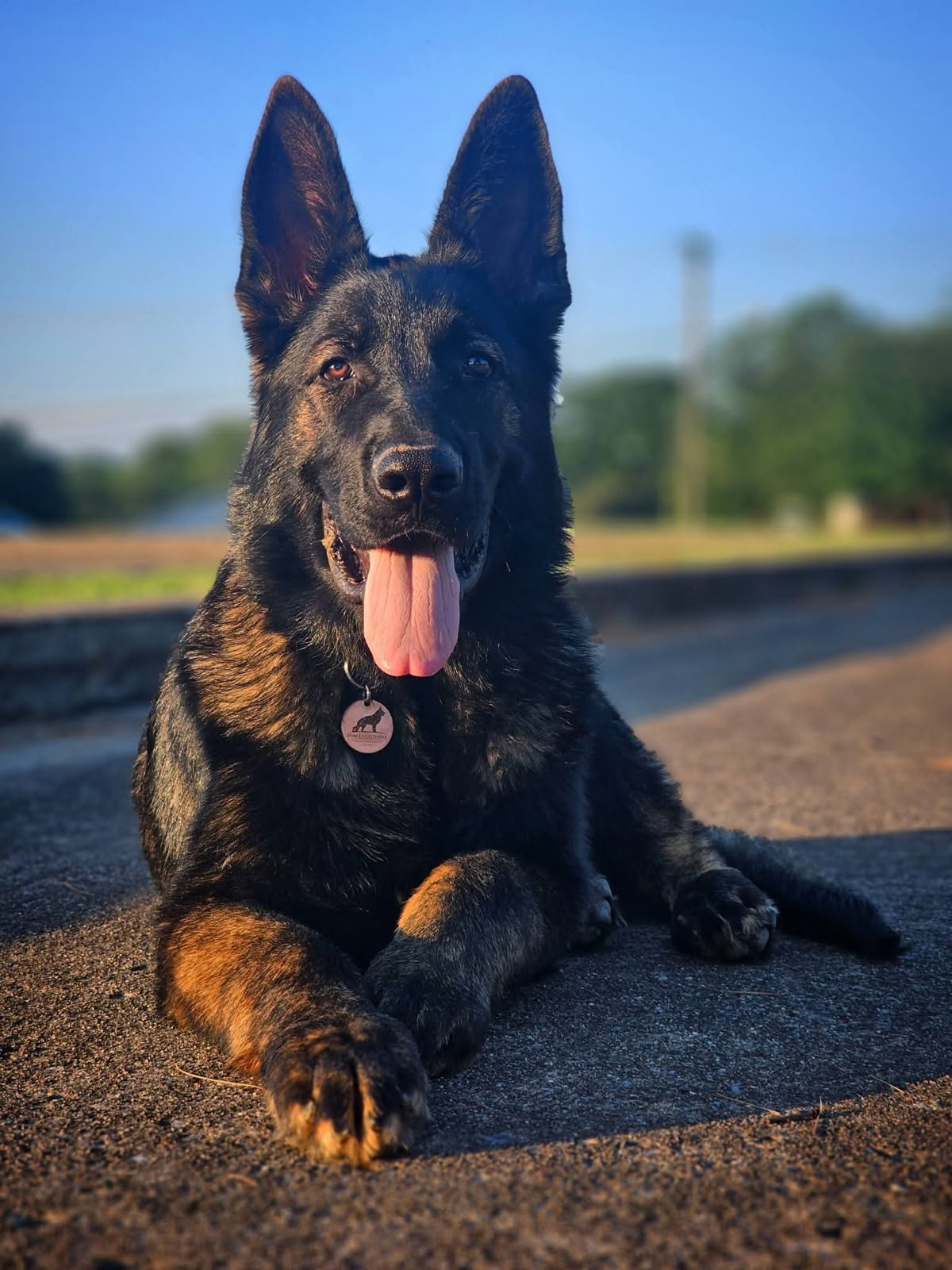
Fixed lead, always
A retractable lead teaches the exact lesson you are trying to remove. Constant light tension is the normal state, and pulling harder buys more distance. If you take one thing from this guide, take this: swap to a fixed lead of about one and a half metres and keep it the same lead every walk.
The dog is learning what tension means. If tension sometimes means stop and sometimes means the reel pays out, you have taught nothing.
Flat collar, front clip harness or head collar
A flat collar suits a dog that pulls moderately and has no breathing or neck issues. It gives clear, quiet feedback and does not restrict the shoulder.
A front clip harness suits a strong dog whose owner needs control while the training takes hold. The clip at the chest turns forward pressure sideways, which takes the power out of the pull without hurting anything. Check the fit properly, because a badly fitted harness rubs behind the elbow and the dog will tell you by refusing to walk.
A head collar suits the genuinely powerful dog with a handler who cannot physically hold it, and it needs a proper introduction over several days. Clip it on and walk out of the door on day one and most dogs will spend the walk trying to paw it off.
The handling that makes any kit work
Four rules, applied every single walk:
- ●Leave the house calm. Lead on, then wait at the door until the dog settles. A walk that starts at peak excitement stays there.
- ●Tight lead, feet stop. Not a jerk, not a telling off. The walk simply pauses.
- ●Slack lead, feet move. The dog needs to feel the connection between slack and progress within a second.
- ●Pay position. Food or praise arrives when the dog's shoulder is level with your leg, not when it glances back at you from ahead.
Where to practise, and in what order
Start where the dog can already think. That is usually the hallway, then the garden, then a quiet residential street early in the morning. Only then take it to a park, a school run pavement or a town centre.
Owners skip this order constantly. They practise once in the kitchen, then take the dog to a busy green space at four in the afternoon and conclude that the technique does not work. The technique works, the environment was two steps ahead of the dog.
The two week reality check
A dog that has pulled for three years will not walk beautifully on day four. What you should see inside two weeks is more slack more often, quicker recovery after a distraction, and a shorter fight at the start of the walk. Those three signals mean the plan is working and you keep going.
If you see nothing at all after two consistent weeks, something structural is wrong. Usually it is inconsistency between household members, occasionally it is pain, and sometimes it is that the dog is over threshold before it leaves the driveway.
When kit is not the answer
If your dog lunges, barks or fixes on other dogs, this is not a pulling problem with a kit solution. That is reactivity, and the walk needs distance and a different plan before loose lead work is realistic. Trying to fix reactivity with a harness is the most common wasted year we see.
Need hands on help?
If your dog is strong enough that you dread the walk, one session on your own street usually changes more than a year of kit shopping.
Three generations of the same family, over 8,000 dogs trained.
Common questions
None of them stop pulling on their own. A front clip harness reduces the power of the pull so you can train, which is a different and more honest claim.
In experienced hands and for short periods it has a place, but in most family households a flat collar or front clip harness with better handling gets there with less risk.
About one and a half to two metres for street walking. Long lines of five to ten metres are for recall practice in open space, not for pavements.
Yes, and it is fixable. Work on the departure routine: calm lead on, wait, and a first two minutes that are slow and boring on purpose.
Related guides
Looking for training near you? See our dog training areas, our protection dog areas, or all services.