
How a protection dog is trained and temperament tested
Protection training is mostly obedience. The bite work is the part people picture, but it is the smallest part of the programme and the last thing to be added.
The process runs selection, foundation obedience, environmental exposure, controlled bite work, then testing around children, visitors and other dogs, and finally handover to the owner. A dog that fails temperament screening does not get promoted through the programme, it goes to a pet home instead.
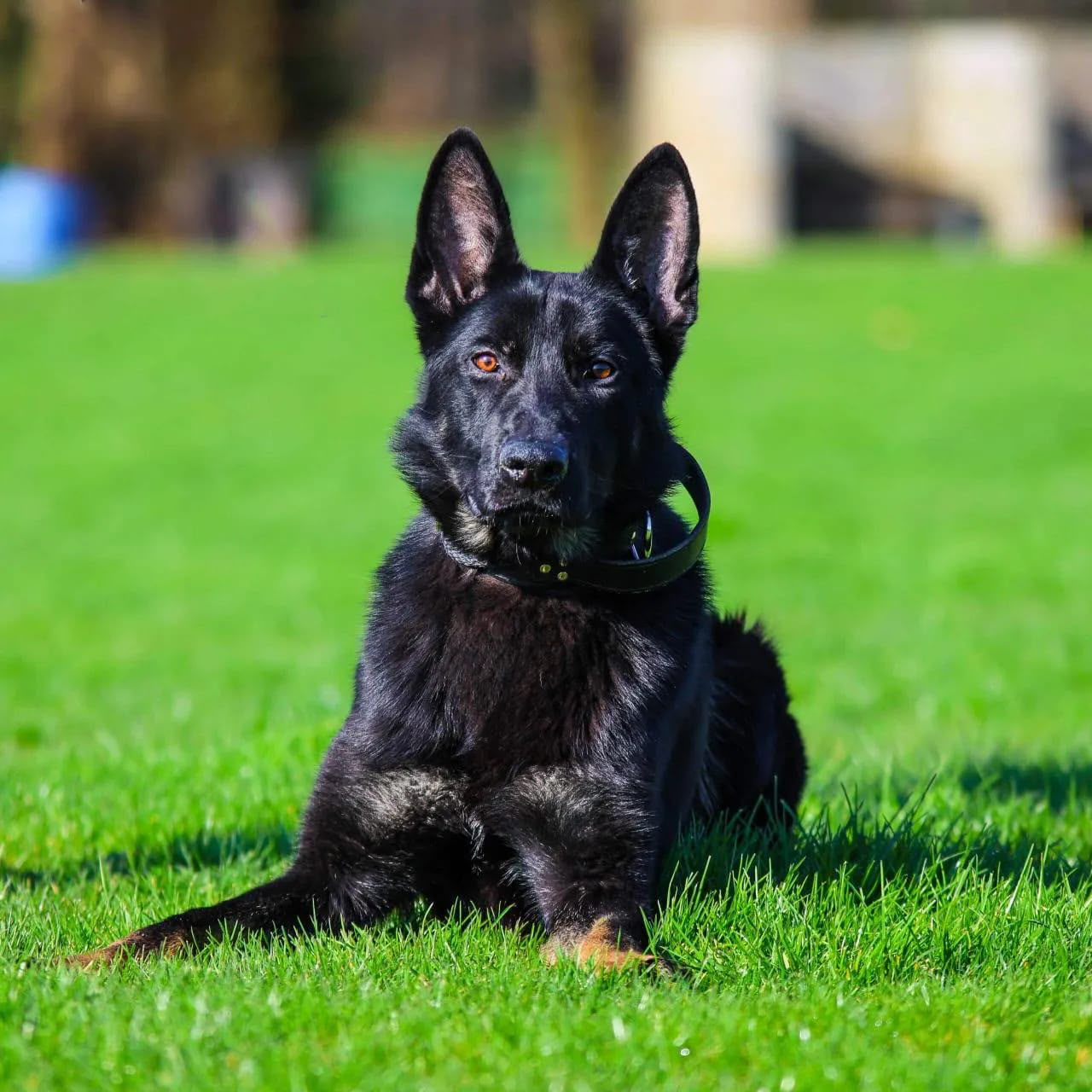
Selection comes first
Nerve, clarity and recovery matter more than aggression. A dog that startles and does not recover quickly is not a protection candidate at any price.
Obedience before anything else
Heel, recall, position changes and a rock solid out, all under distraction. Control is what makes the rest of the work safe.
Environmental exposure
Traffic, shops, livestock, slippery floors, crowds and noise. A dog that only performs in a familiar field is not finished.
Bite work and the out
Controlled engagement, clean release on command, and no continuation after the cue. The out is trained harder than the bite.
Testing before placement
Children, visitors, other dogs, handling by strangers and normal household chaos. Testing is a gate, not a formality.
Need hands on help?
Ask about our current dogs and what stage they are at.
Three generations of the same family, over 8,000 dogs trained.
Common questions
Many months of daily work, and the timeline depends entirely on the individual dog's maturity and progress.
Sometimes. It starts with an honest temperament assessment, and most family dogs are not suitable, which is not a criticism of the dog.
No. It is control work with a clear on and off switch, built on obedience.
Related guides
Looking for training near you? See our dog training areas, our protection dog areas, or all services.