Dog chasing cars, bikes or livestock, how to stop it
Chasing is the hardest habit to break because the dog does not need you to reward it, the chase pays for itself. It is also the one that gets dogs killed on rural roads and shot on farmland.
Manage first, train second. A long line goes on until recall is genuinely reliable, because every successful chase makes the next one more likely. Then build an interrupt the dog can hear at distance, teach an alternative behaviour that scratches the same itch, and only reduce the line when the dog turns away from movement without being asked.
Why chase is different
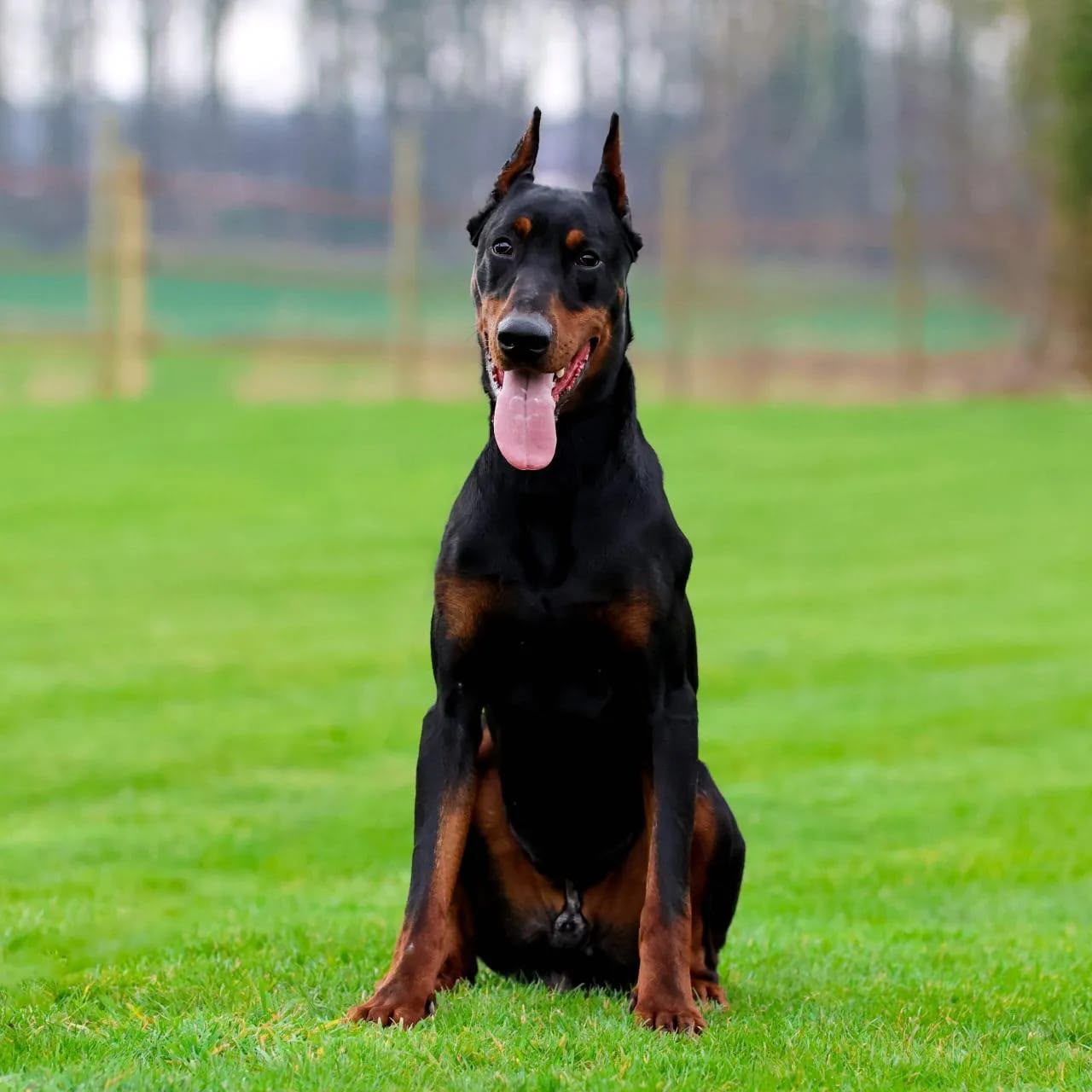
Herding and working breeds were selected for exactly this, so you are not fighting a bad habit, you are managing an instinct. The aim is control over the instinct rather than deletion of it.
Movement triggers escalate. A dog that chases wood pigeons this month often moves on to cyclists next month, because the pattern is the same and the reward is bigger.
The rural risk, said plainly
Across Essex and Hertfordshire the fields near footpaths carry sheep for much of the year. A farmer is legally entitled to protect livestock, and worrying livestock is a criminal offence for the owner. If your dog has shown any interest in sheep, it goes on a lead near stock, without exception.
Building the interrupt
Train the interrupt where nothing is happening first, at home, in the garden, on a quiet lane. A cue that has only ever been used in a crisis becomes part of the crisis. Then work at a distance from the trigger where the dog can still think, and shorten that distance over weeks.
- ●Long line on, 10 metres, attached to a harness rather than a collar.
- ●Pay the dog for looking at the trigger and choosing to look back.
- ●Give the drive an outlet, a flirt pole or retrieve game, on your terms.
When to get hands on help
Car and bike chasing near roads is not a self help project. If the dog has already made contact with a cyclist or entered a field of stock, get a trainer involved now, and be honest with us about the history so we can plan around it.
Need hands on help?
Chase cases often improve fastest with a structured residential block, then handover work with you on your own walks.
Three generations of the same family, over 8,000 dogs trained.
Common questions
No. Chase is drive, not hormones. Neutering may change other behaviours but it does not reliably touch this one.
Use a harness. A dog hitting the end of a 10 metre line at speed can do real damage to its neck.
For a dog with an established chase habit, months rather than weeks, and some dogs stay on a line near livestock for life. That is a sensible outcome, not a failure.
Related guides
Looking for training near you? See our dog training areas, our protection dog areas, or all services.