Recall training, why your dog ignores you
A dog that ignores recall has usually learned that coming back ends the fun. Every time the recall means the lead goes on and the park is over, the word gets a little weaker.
Put the dog on a long line for a month, stop calling when you know the dog will not come, and pay recall properly with food or a game before releasing the dog back to what it was doing. Recall should predict something better, not the end of the walk.
Stop burning the word
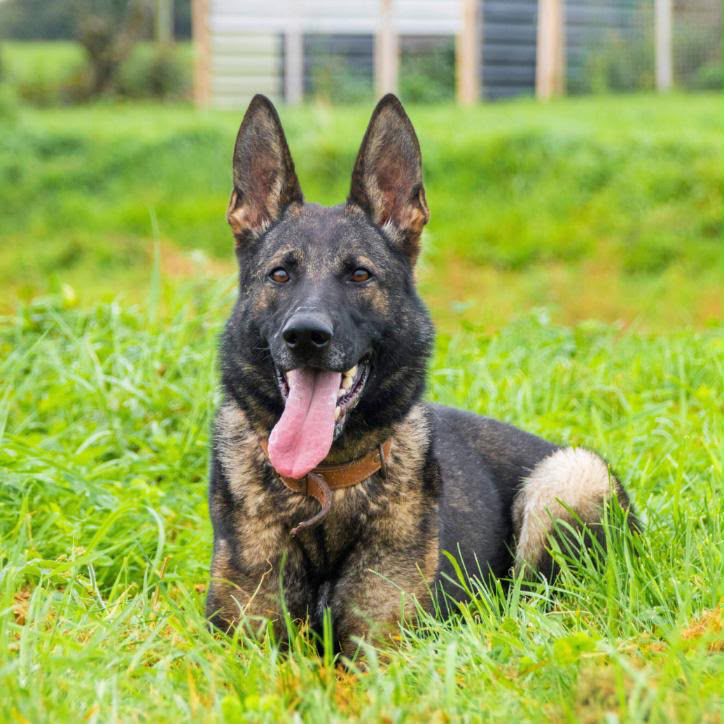
If your dog ignores its recall cue three times a walk, the cue now means optional. Either train a new one, or stop using the old one until you can back it up with a long line.
The long line month
A ten to fifteen metre line on a harness gives your dog freedom and gives you the ability to be right every time. Call, then guide gently if nothing happens, then pay well. Repetition with a guaranteed outcome is what rebuilds reliability.
Pay properly, then release
Cheese, chicken, a tug toy, whatever your dog actually values. Then say go on and let them return to the sniffing. The release is half the reward.
Adolescents and chasers
Between roughly seven and eighteen months most dogs go temporarily deaf. That is normal and it passes with structure, not with shouting. Dogs that chase deer, livestock or joggers are a different matter and should stay on a line until the recall is genuinely proofed.
Need hands on help?
We will run long line recall work with you in real environments, not in a hall.
Three generations of the same family, over 8,000 dogs trained.
Common questions
A whistle is useful because it sounds the same whether you are calm or furious, and dogs read tone very well.
Recall is not one skill, it is a skill per environment. You have to rebuild it everywhere the dog goes.
It is not a shortcut for a dog that has never been taught what the cue means. Foundation first, always.
Related guides
Looking for training near you? See our dog training areas, our protection dog areas, or all services.