
What owning a family protection dog actually involves
People ask about the price of a protection dog long before they ask about the ownership, which is the wrong way round. The purchase is a single event. The ownership is years. This guide covers what those years look like, from a family that has been placing and maintaining these dogs for three generations.
A properly trained family protection dog is a working animal living in a family home, and it needs ongoing handling, regular refresher work, secure housing, sensible insurance and an owner who enjoys the responsibility. Costs are not just the dog: budget for maintenance training, quality food, veterinary care for a large athletic animal, and secure fencing. If nobody in the household wants to handle it daily, it is the wrong purchase.
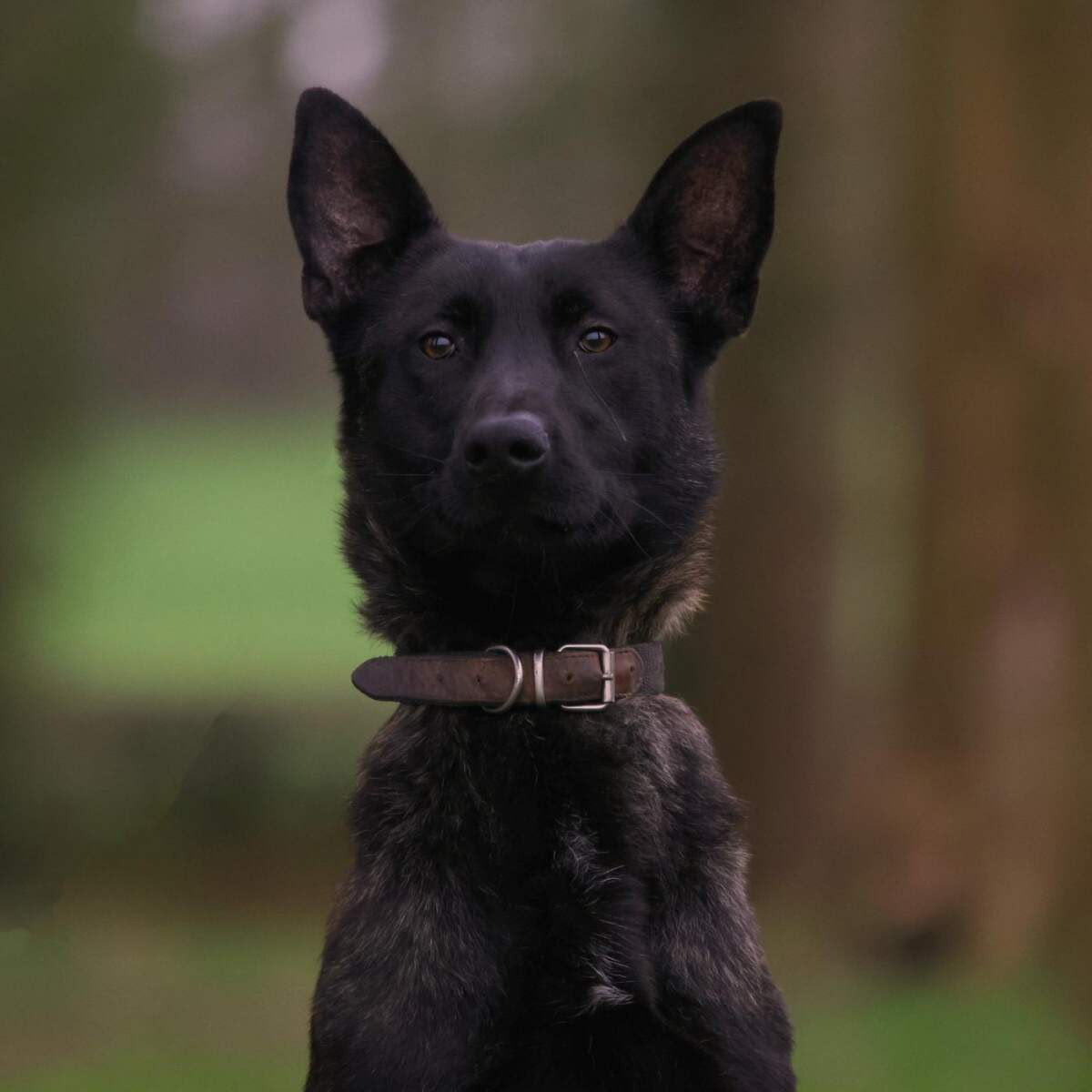
What you are actually buying
A trained protection dog is a stable, obedient family dog that has additional trained behaviours and the temperament to perform them under pressure. The obedience and the temperament are the expensive parts, not the bite work. Anyone can teach a dog to bite. Teaching a dog to be utterly reliable around your children and then switch on when asked is years of selection and work.
That is why price varies so enormously across the market. Two dogs advertised with the same phrase can be entirely different animals, and the difference only shows up under pressure, which is the worst time to discover it.
The daily reality
This is what a week looks like once the dog is home:
- ●Daily handling and obedience, ten to twenty minutes, not optional.
- ●Proper physical exercise for a large working breed, plus mental work.
- ●Regular refresher sessions with a trainer to keep the trained behaviours crisp.
- ●Secure fencing and controlled access to the front door and garden.
- ●Clear household rules that everyone follows, including visiting family.
- ●A vet who knows the dog, and honest insurance disclosure.
Handover and the first months
The dog is trained. You are not, yet. A responsible supplier spends real time teaching you to handle the dog, and then stays available afterwards. Any placement that ends with a dog being dropped off and a wave goodbye is a warning sign.
Expect a settling period of several weeks where the dog is learning your household, your routine and your voice. Trained behaviours can look shaky in that window, which is normal, and it is why the maintenance relationship with the trainer matters so much.
Legal and insurance considerations
You remain fully responsible for your dog's behaviour in law, and owning a trained dog does not lower that bar, it raises the expectation on you as a handler. Keep the dog under proper control in public, use secure containment at home, and be straightforward with your insurer about what the dog is.
Sensible owners also think about the practicalities: who handles the dog if you are away, what happens at the vet, and how deliveries and tradespeople are managed.
Who these dogs suit
They suit households that genuinely want a large, capable dog in their life and have the time and temperament to handle one. Rural properties, families who travel, people who are alone at home a great deal, and business owners who feel exposed are the common profiles.
They do not suit somebody who wants a deterrent to sit in a garden. A dog with no relationship and no handling is not a protection dog, it is a liability with teeth.
How we handle it
We assess the household first, in person, before we discuss any specific dog. That conversation covers your property, your routine, who is at home and what you actually need, because the honest answer for a good number of enquirers is a well trained family dog and a better alarm system. We would rather say that than sell the wrong animal.
Planning for the dog's whole life
A working breed lives ten to twelve years, and the last three of those look different from the first three. Plan for reduced workload, joint care and the point at which the dog is a much loved retired family member rather than an active one.
Think also about continuity. Who handles the dog if you are ill or away, and does that person know the cues. A dog with trained behaviours and a handler who cannot use them is an unhappy arrangement for everybody.
Good suppliers stay in the picture for all of that. Ours is a family business, so the person who trained the dog is usually still the person on the end of the phone years later, which is the part of the service that does not appear on any price list.
Need hands on help?
Ring us and describe your property and your household. We will tell you honestly whether a protection dog is the right answer for you.
Three generations of the same family, over 8,000 dogs trained.
Common questions
It varies enormously with the dog, the level of training and the handover support included. We discuss figures on the phone once we understand what you actually need.
A correctly bred, correctly trained and correctly handled one lives as a family dog. Temperament and handling are what make that true, not the training alone.
Daily handling from you, plus periodic refresher work with a trainer. Trained behaviours fade without upkeep, exactly like any other skill.
Only after an honest temperament assessment. Most family pets are not suitable, and that is not a criticism of the dog.
Related guides
Looking for training near you? See our dog training areas, our protection dog areas, or all services.