Assistance and therapy dogs, how the process works
Assistance and therapy dogs are built around a person, not around a syllabus. The starting point is always the individual's daily life and what would genuinely make it easier.
The process runs temperament selection, foundation obedience, task training built around the individual's needs, then public access work so the dog is safe and unobtrusive anywhere. Aftercare continues for the life of the dog, because needs change and tasks often need updating.
Temperament first
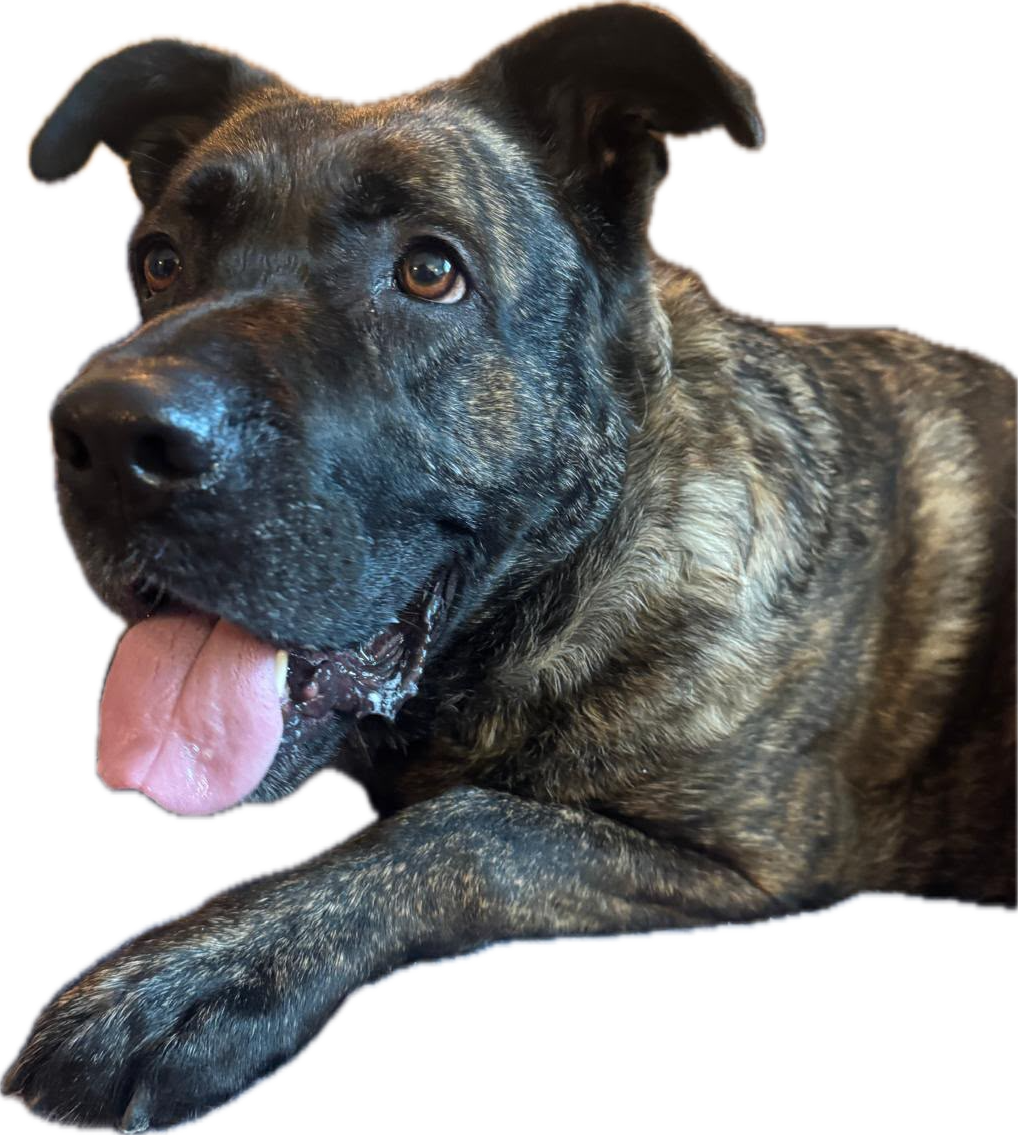
Calm, stable and recoverable. A dog that is brilliant at tasks but noise sensitive will fail in the real world, so selection comes before training.
Task training
Tasks are built around the person, for example mobility support, retrieving items, alerting, or interrupting anxiety responses. We plan them with the individual and the family.
Public access
Settling under a table, ignoring food on the floor, coping with lifts, trolleys and crowds. This is the part that takes the longest and matters most day to day.
Ongoing support
Needs change. We stay available so tasks can be adjusted rather than the dog quietly becoming unsuitable.
Need hands on help?
Tell us about the person and the daily challenges, and we will explain what is possible.
Three generations of the same family, over 8,000 dogs trained.
Common questions
It is a long process measured in many months, and the honest length depends on the tasks and the dog.
Only after a temperament assessment. Many much loved dogs are not suited to it, and that is not a failure.
Therapy dogs work with groups, often in care or education settings. Assistance dogs are trained for one person's specific needs.
Related guides
Looking for training near you? See our dog training areas, our protection dog areas, or all services.