
Crate training a rescue dog when you do not know its history
Crate training a puppy is straightforward. Crate training an adult rescue that may have spent time shut in something is a different job, and the standard advice can make things worse. This guide is for the dog with an unknown history.
Start with the door removed or tied fully open, and let the crate be nothing but a nice bed in a quiet corner for at least a week. Feed near it, then in it, and never close the door until the dog chooses to go in and settle on its own. If the dog panics when confined, stop and use a pen or a gated room instead, because a crate is a tool and not an obligation.
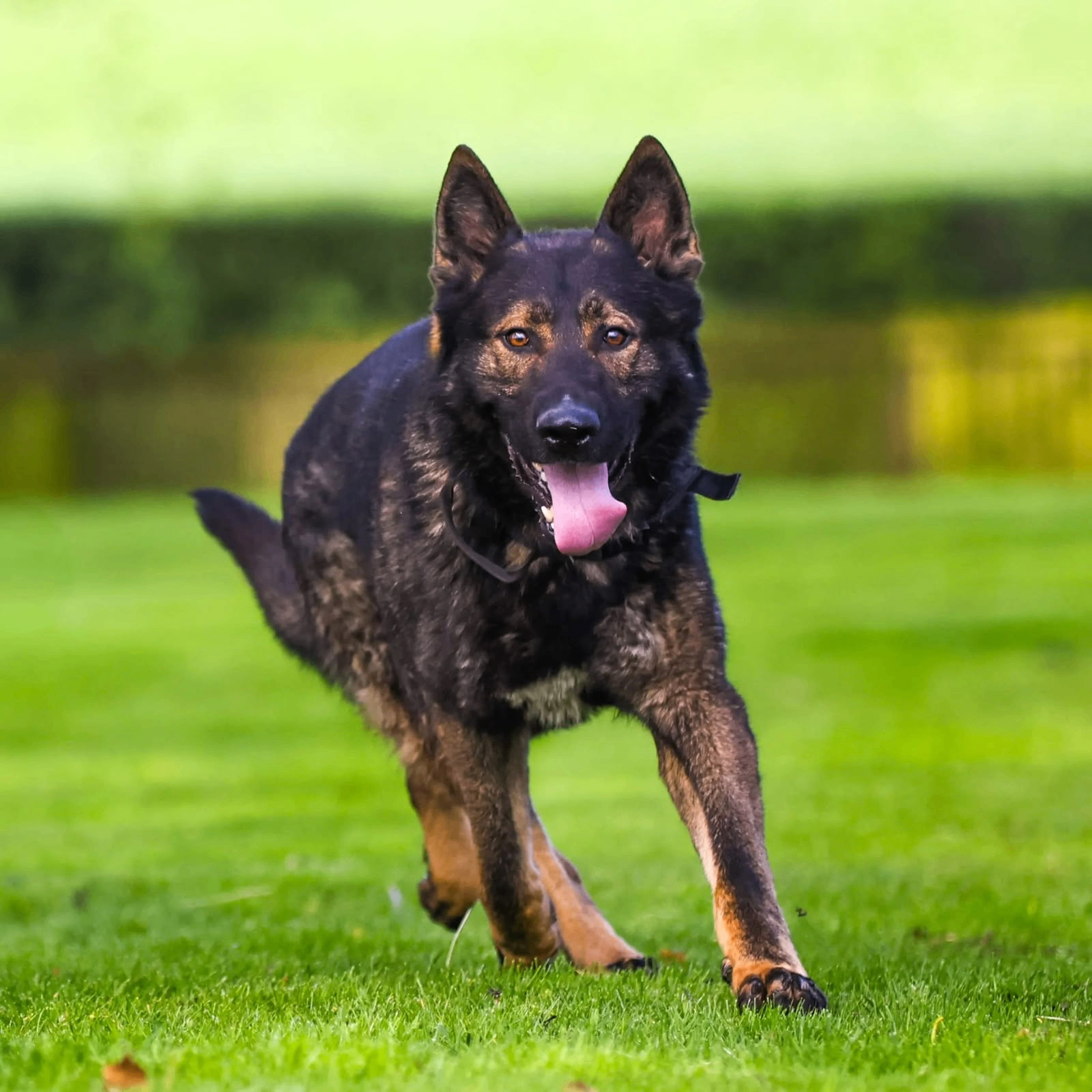
Why rescues need a different approach
A dog that arrived from a pound, a shipping crate or a hoarding case may have strong associations with bars and closed doors. Push a dog like that into a crate in week one and you can trigger a panic that takes months to undo, including broken teeth and torn nails.
The other factor is that a new rescue is already flooded. Everything is unfamiliar, from the floor surface to the smell of the house, and adding a confinement lesson in the first fortnight is one thing too many.
The first fortnight: furniture, not training
Set it up and then do almost nothing:
- ●Door removed or fastened wide open so it cannot swing and startle the dog.
- ●Placed in the room the family uses, not in an isolated utility room.
- ●Comfortable bedding and a blanket over the back and one side to make it den like.
- ●Food bowl beside it, then just inside the entrance, then at the back over several days.
- ●Good chews appear in there and nowhere else, so the crate becomes the best address in the house.
Closing the door, eventually
Only start this once the dog is going in and lying down of its own accord, several times a day, without food being placed there. That might be week two or it might be week six.
Then close the door for two seconds while the dog is chewing, and open it again before the dog notices. Build from there in tiny increments, always ending before any tension shows. The direction of travel matters more than the pace.
Signs it is not going to work
Frantic scrabbling, drooling, screaming, bent bars or bloodied gums all mean stop. So does a dog that will happily lie in the crate with the door open and immediately stands and stares the moment it closes, session after session, with no improvement over a fortnight.
For those dogs, use a puppy pen or a dog gate on a safe room. You get almost all the practical benefit and none of the trauma. A crate is not a requirement of good dog ownership.
What the crate is actually for
Three legitimate uses: a safe place for the dog to rest undisturbed, safe confinement while you cannot supervise, and preparation for the car, the vet and any future kennelling. Notice that none of those are punishment, and none of them are twelve hour shifts.
Rest is the underrated one. Adolescent and newly arrived dogs are chronically short of sleep, and a covered crate in a quiet corner is often the single change that calms a household down.
Fitting it around the settling in period
Most rescues follow a rough pattern: a quiet, shut down first few days, then a fortnight of exploration, then the real dog appearing at around the three week mark, often with behaviours nobody saw at first. Plan the crate work to be finished as furniture before that third week, so the dog already has a safe place by the time it starts testing the boundaries.
Building a routine around it
Rescue dogs settle faster with a predictable day than with anything else you can offer. Same feeding times, same walk times, same quiet hour in the afternoon. Once that shape exists, the crate becomes the place the quiet hour happens, and it needs almost no training at all.
Use it for rest rather than for containment during the settling weeks. A dog that goes in with a chew while the household carries on around it learns something very different from a dog shut in when everybody leaves.
If you have children, make the crate genuinely out of bounds to them. A safe space that is not safe is worse than no safe space, and it is the most common reason a promising crate goes wrong in a family home.
Need hands on help?
New rescue and not sure where to start? We do settling in sessions across Harlow and Essex in the first fortnight, which is when the help counts most.
Three generations of the same family, over 8,000 dogs trained.
Common questions
For a settled adult, a few hours at a time is reasonable. Overnight is fine for a dog that sleeps happily in there. All day is not.
Often because a previous life gave it no choice. Those dogs need a pen with a separate toileting area and a lot of patience rather than tighter confinement.
Covering the back and sides while leaving the front open suits most dogs, because it feels like a den rather than a box.
Only if it already loves the crate. Confining a panicking dog usually makes the panic and the injury risk worse.
Related guides
Looking for training near you? See our dog training areas, our protection dog areas, or all services.